5 Essential Sights for the Grand Tourist – George Town, Penang

View of the Malacca Straits from the Grounds of the E & O Hotel in Penang.

View of the Malacca Straits from the Grounds of the E & O Hotel in Penang.

George Town, Penang is a UNESCO World Heritage site, due to its being an exemplary multi-cultural trading town with many layers of history. In particular, emphasis was placed on it being a showcase of living heritage, embodied not just in the continued use of many heritage buildings, but also in the observance of a variety of traditional customs practiced by the various ethnicities that share the city. Here are 5 essential sights in this city of heritage:

✑ A walk down Jalan Masjid Kapitan Keling – Penang’s “Street of Harmony” – and a visit to the stunning Khoo Kongsi Temple Complex.

✑ A leisurely saunter down Armenian Street for the beautifully restored colonial-era shophouses and the graffiti/public art.

✑ A sprightly jaunt around the Padang to the northern edge of Beach Street, for the air of colonial authenticity, and for the monumental civic and commercial architecture. Look out for Town Hall and City Hall, and the Standard Chartered Bank Building.

✑ The Pinang Peranakan Mansion, for the gloriously over-the-top interiors and the stories of matriarchs and their rebellious progeny. The Cheong Fatt Sze, or Blue Mansion, is equally stunning on the outside but far less well furnished inside.

✑ The Clan Jetties, particularly the Chew Clan Jetty, for its sheer size and for the gorgeous view at the end of the “boardwalk.”

Food is so good in Penang that even Singaporeans down South acknowledge this readily. Brave the many outdoor hawker centres for the most authentic culinary experience and the widest range of local dishes (such as Penang Char Kway Teow, Penang Laksa, Roti Canai, Indian rojak, and so on.)

And of course, stay at the magnificent Eastern & Oriental Hotel (the E & O to locals) for the stunning view of the Malacca Straits from the longest seafront promenade anywhere in the city.

Town Hall, at the Padang.

Town Hall, at the Padang.

Traditional shophouses along Armenian Street.

Traditional shophouses along Armenian Street.

Interior of the Khoo Kongsi Temple.
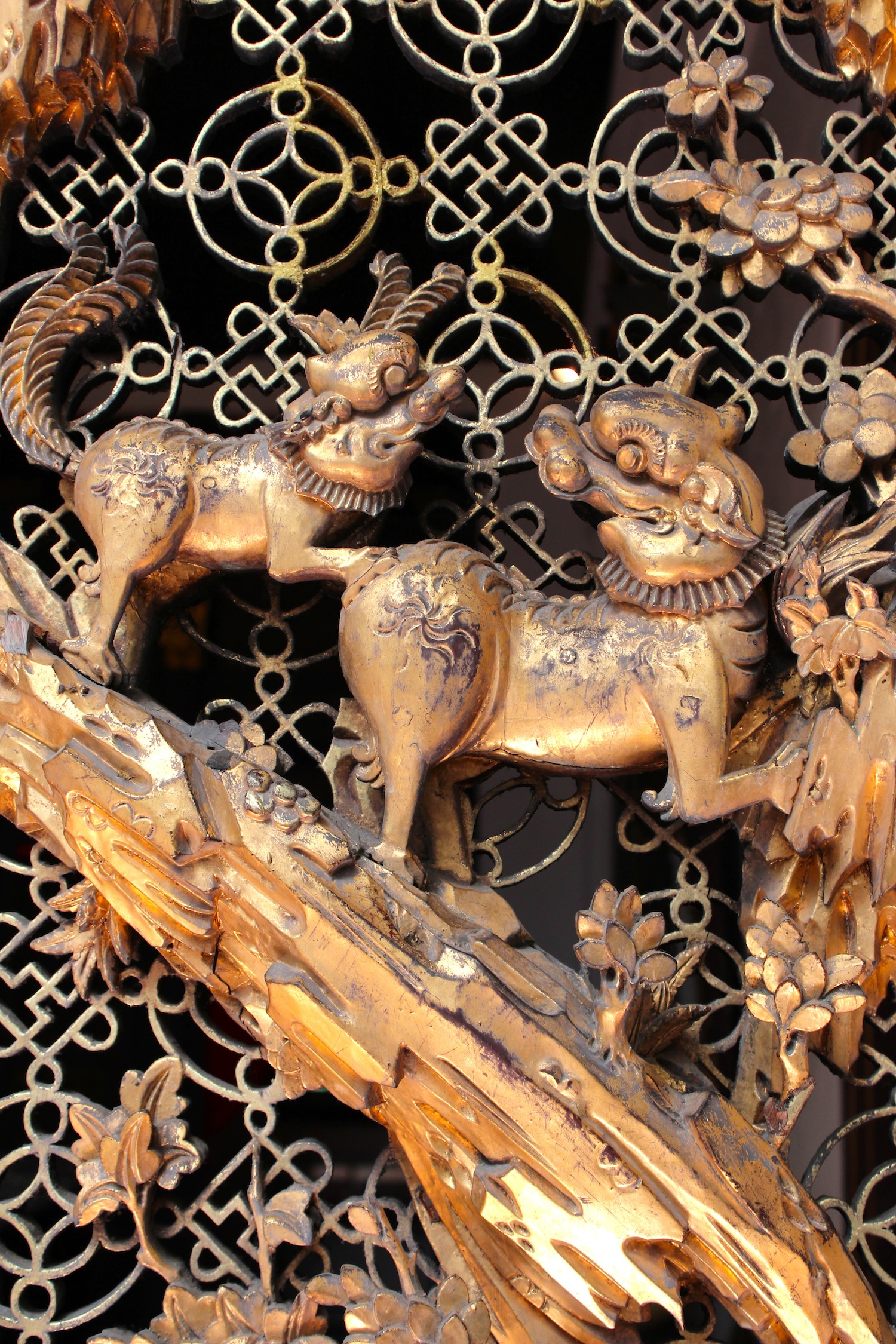
Interior of the Khoo Kongsi Temple.

Detail, Pinang Peranakan Mansion.
Detail, Pinang Peranakan Mansion.

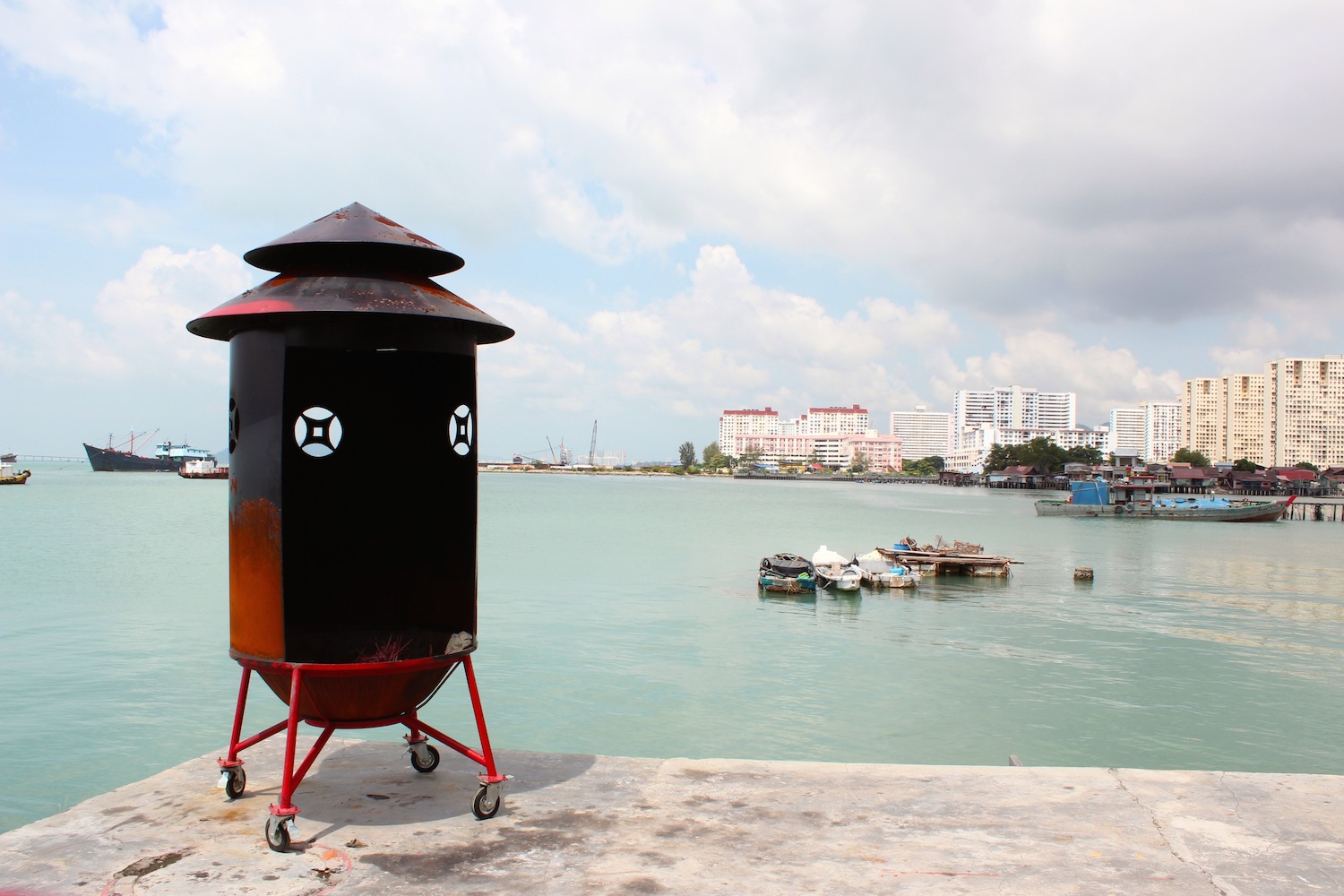
The edge of the Chew Clan Jetty.
The edge of the Chew Clan Jetty.

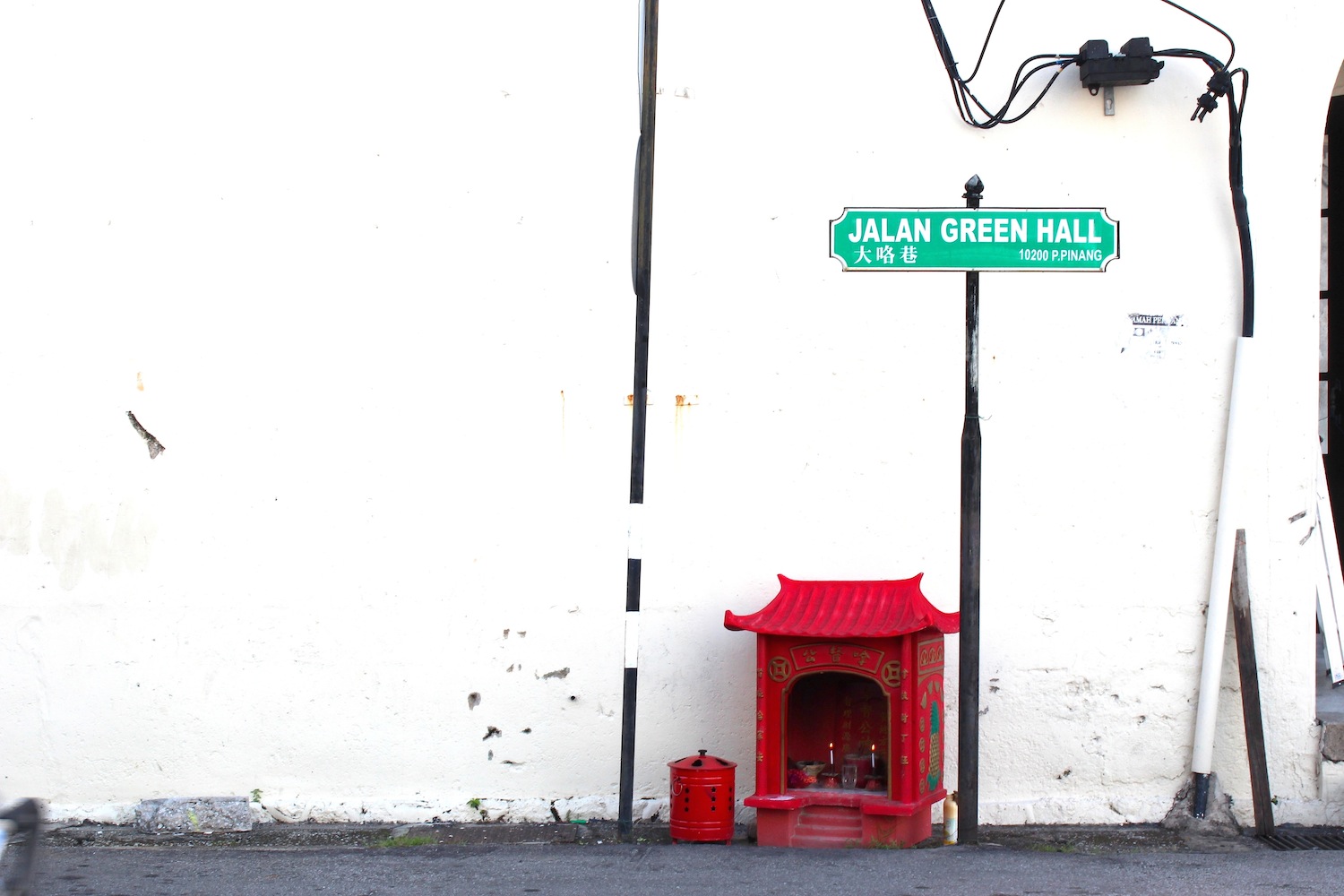
Jalan Green Hall - an image which demonstrates Georgetown's multi-cultural nature.

Jalan Green Hall – an image which demonstrates Georgetown’s multi-cultural nature.

[The Romance of the Grand Tour – 100 Years of Travel in Southeast Asia is available now at all major bookstores in Singapore, Southeast Asia, Hong Kong and Waterstones in London. Find it also on http://www.amazon.co.uk andhttp://www.bookdepository.com]
5 Essential Sights for the Grand Tourist – Rangoon (Yangon)

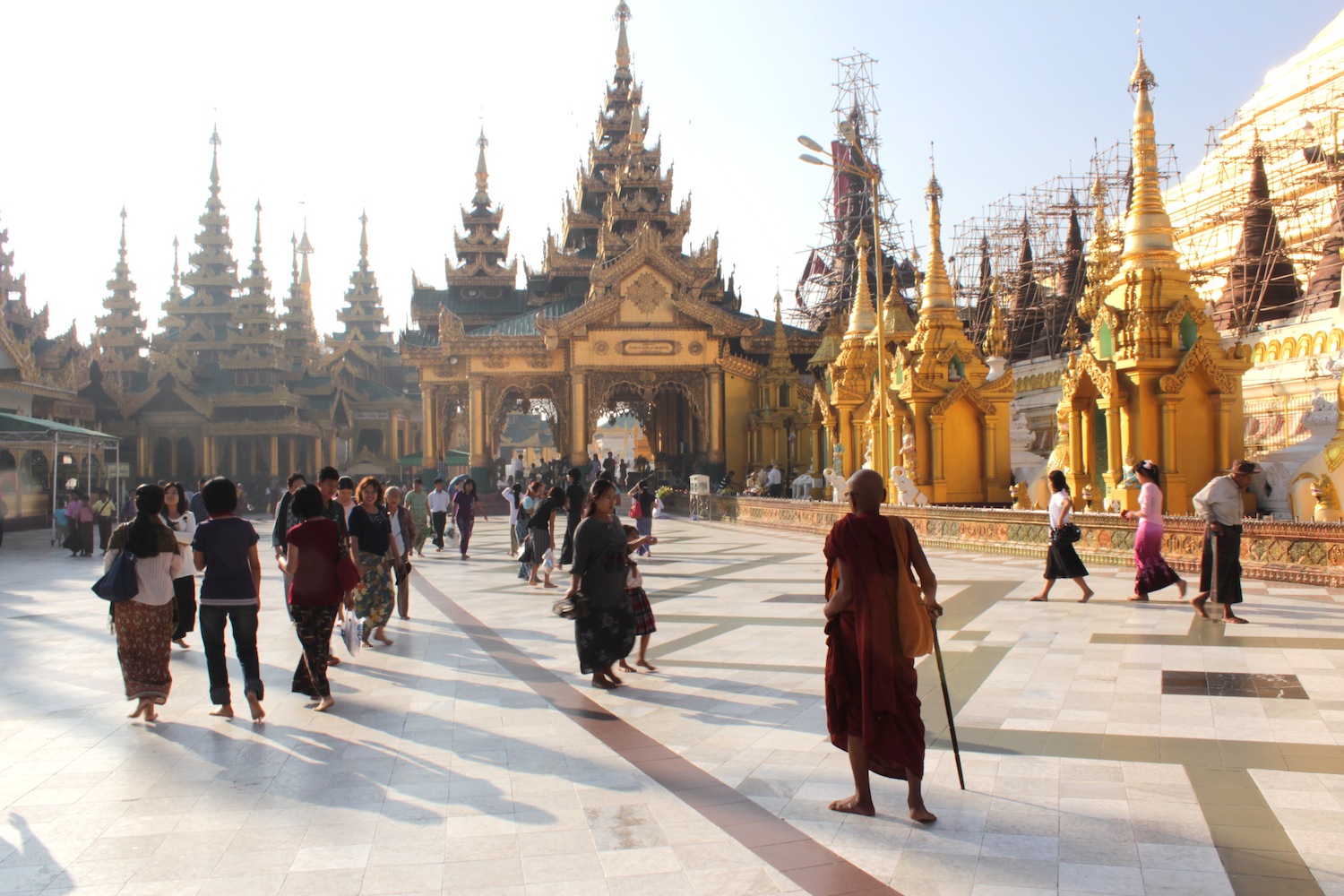
Lone monk amidst the visiting worshippers, Shwedagon Pagoda.

Lone monk amidst the visiting worshippers, Shwedagon Pagoda.

Over the course of the next 12 weeks, I’ll be doing a series of posts featuring 5 Essential Sights for the Grand Tourist’s Itinerary in each of the cities covered in the Grand Tour. I begin, this week, with the city of Rangoon – today’s Yangon.

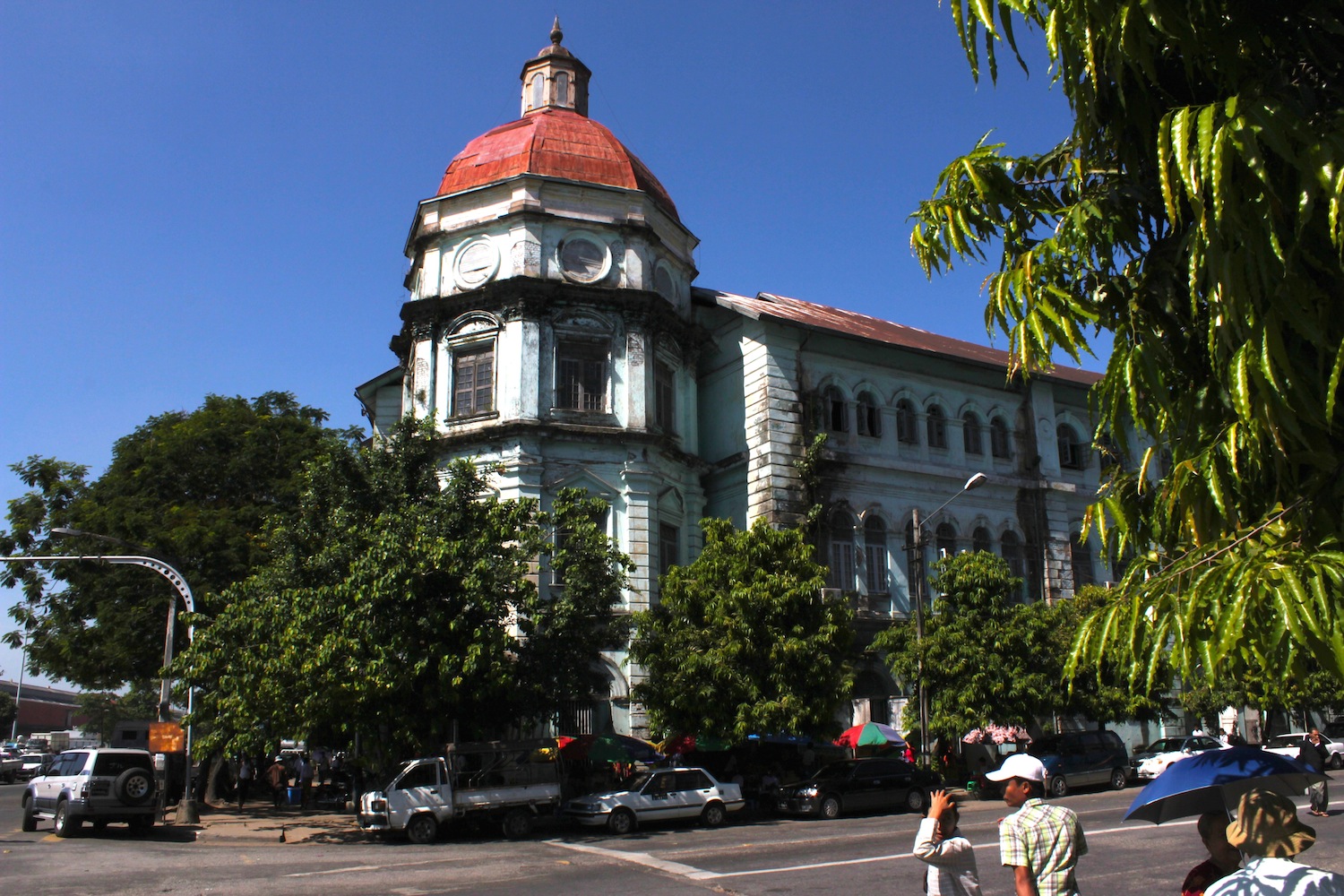
✑ Stroll along Strand Road and Pansoedan Road, for a glimpse of the greatness of the British Raj. Stand and gape at the monumental civic, cultural and commercial colonial-era buildings that still stand, in particular, the Edwardian-era High Court Building, and the Accountant-General’s Office

✑ Wander West of Sule Pagoda, which contains Chinatown, Little India and the Arab/Persian/Jewish Quarter. Here’s where you’ll find the greatest concentration of world religions anywhere in Southeast Asia.

✑ Explore the languid, laidback tree-lined sidewalks of the suburb of Ahlone, a prestigious district of colonial villas, now housing foreign Missions and Embassies. Pop into the Governors House boutique hotel for a drink at the bar.

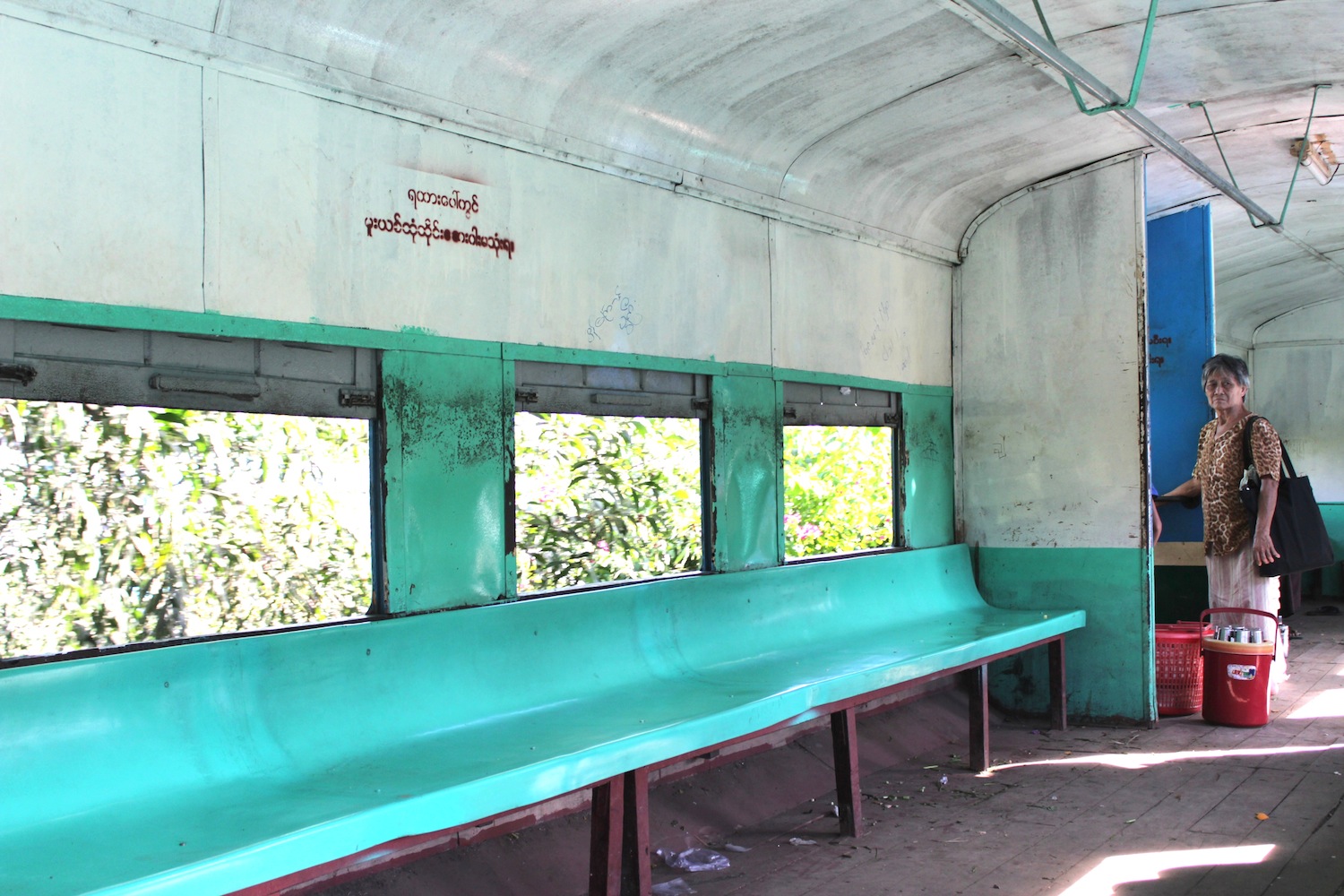
✑ Take the wonderfully rickety three-hour journey on the Circular Train to the rural outskirts of Yangon and back. Worth the $1 ticket price just to see the motley crew of locals en route. Be prepared to be crushed in your seat by heaving crowds though. Bring your passport.

✑ Pay a visit to the surreal and breathtaking apparition that is Shwedagon Pagoda. Enough said.

Yangon is breathtaking in its vibrancy and timelessness. Visit it before sweeping political and economic change forces the city to slough its magnificent older skin.  

The Accountant General's Office, at the junction of Strand and Pansoedan Roads.

The Accountant General’s Office, at the junction of Strand and Pansoedan Roads.

Interior of the Yangon Circular Train, during a rare moment of silence.

Interior of the Yangon Circular Train, during a rare moment of silence.

[The Romance of the Grand Tour – 100 Years of Travel in Southeast Asia is available now at all major bookstores in Singapore, Southeast Asia, Hong Kong and Waterstones in London. Find it also on http://www.amazon.co.uk and http://www.bookdepository.com]
The Hong Kong Skyline: Then and Now

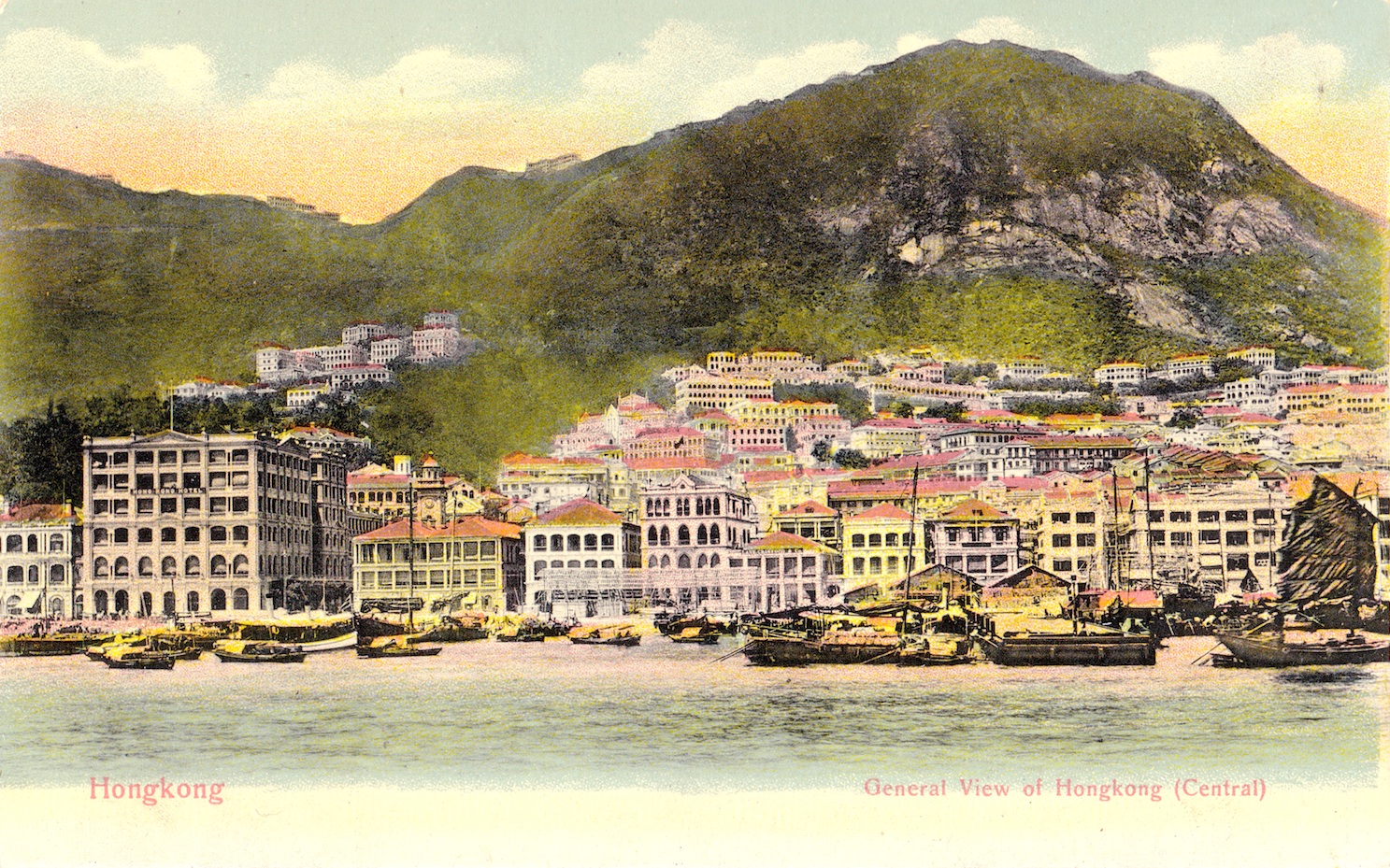
The Hong Kong skyline in the 1890s/1900s.

The Hong Kong skyline in the 1890s/1900s.

Hong Kong is the sister city to Singapore, and like its sibling, it presents a very stark illustration of how trade and commerce shapes a city.

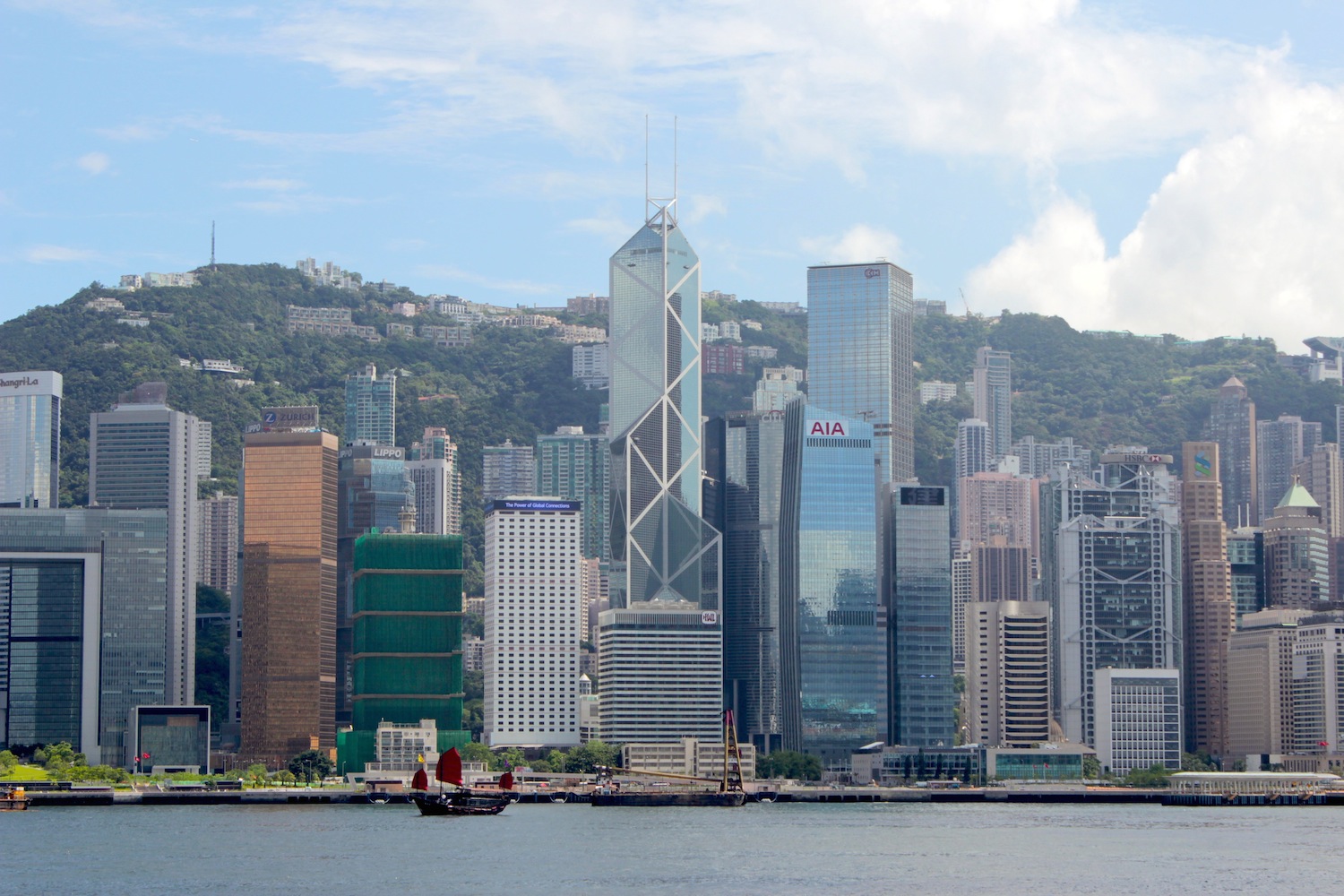
Hong Kong’s skyline is one of the most iconic skylines in the world – this was true of the city in the early 1900s, as it is today. The following two shots provide a sense of how this skyline has changed, but still remains memorable.

What unfortunately has faded away are those sweeping vistas of Chinese junks sailing past Hong Kong Harbour – the very essence of Hong Kong itself.  Today, only one junk plies these waters, and even then, it is a pale shadow of those that came before it.

[The Romance of the Grand Tour – 100 Years of Travel in Southeast Asia is available now at all major bookstores in Singapore, Southeast Asia and Hong Kong. As of mid-June, it will also be available at Waterstones and Blackwells in London, on http://www.amazon.co.uk and http://www.bookdepository.com]

An iconic junk in Hong Kong Harbour, early 1900s.

An iconic junk in Hong Kong Harbour, early 1900s.

The Hong Kong skyline today, and the lone junk still plying the waters of the harbour.

The Hong Kong skyline today, and the lone junk still plying the waters of the harbour (at bottom left).

Imperial Siam and the City of Bangkok

The Royal Barge on the Chao Phraya River

The Royal Barge on the Chao Phraya River

Bangkok, the royal capital of the Kingdom of Siam (today’s Thailand), is important in the history of South East Asia because it never succumbed to any European colonial power. In other words, there is no colonial history of the city — even though it came very close to having one.

Just over a century ago, in 1893, French warships sailed up the Maenam Chao Phraya or the River of Kings intent on forcibly taking this ancient empire as the French equivalent of British India. It took some deft foreign policy and significant territorial concessions on the part of the then Siamese monarch, King Chulalongkorn, also known as Rama V, of the still ruling Chakri Dynasty, for Bangkok to avoid becoming the capital of French Indochina.

French Warships on the Maenam Chao Phraya, from an 1893 newspaper.

French Warships on the Maenam Chao Phraya, from an 1893 newspaper.

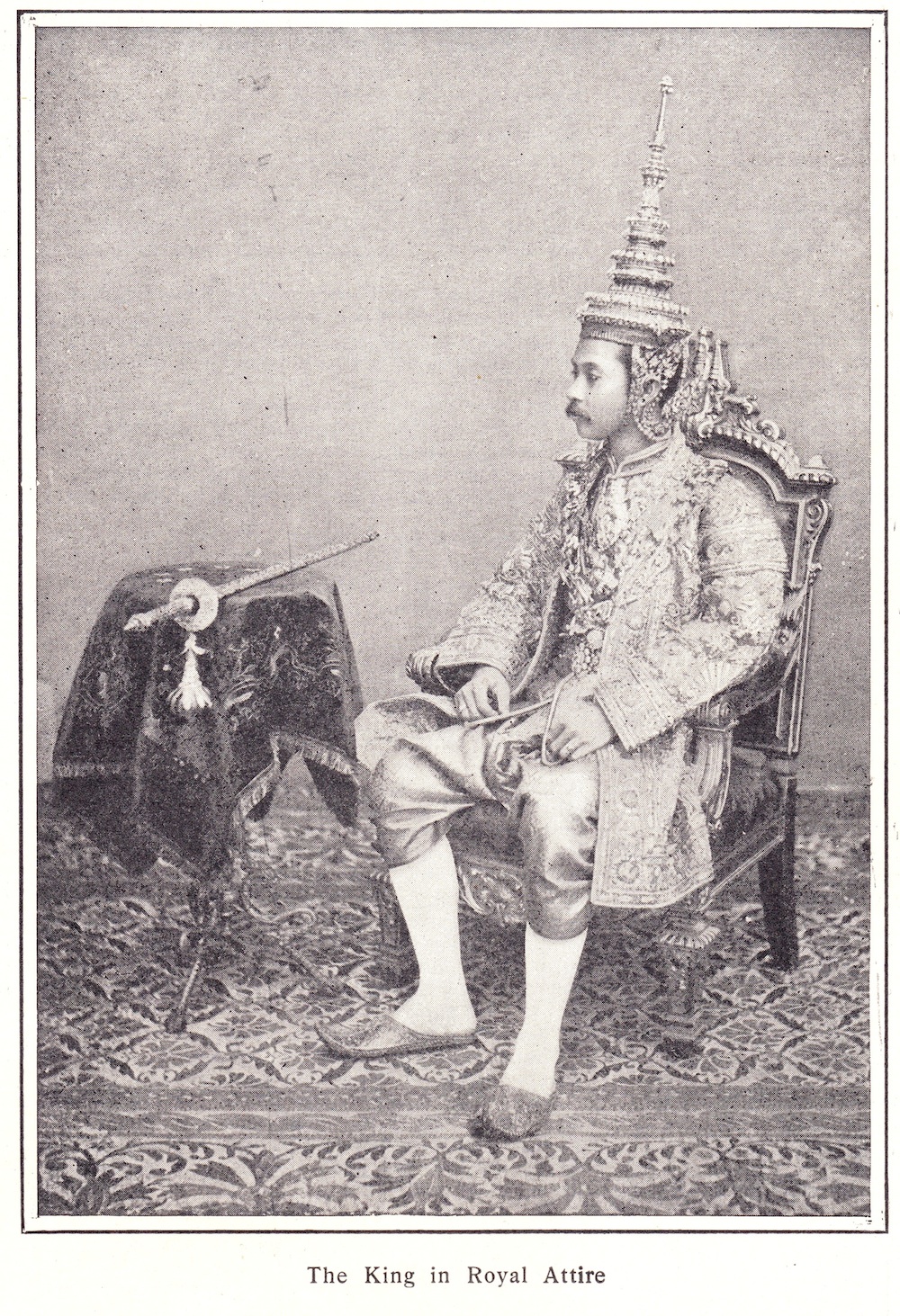
The king, himself, we know well. Most latter-day grand tourists remember him from when he was a little boy getting to know his very persistent governess, Anna Leonowens, in the 1954 Hollywood movie musical, The King and I. Educated in the western tradition, he proved to be a vanguard, modernising his kingdom and playing British insecurities against French egocentrism so shrewdly that he managed to secure from both Great Powers a promise to ensure the independence and neutrality of his Kingdom.

Photograph of King Chulalongkorn from an early 1900s American newspaper.

Photograph of King Chulalongkorn from an early 1900s American newspaper.

Having no colonial history, however, doesn’t mean Siam has no relation whatsoever to colonialism in South East Asia. Make no mistake about it: while Thailand was never a colony, Siam was a colonising power, exerting its influence over Laos and Cambodia (which it conceded to French Indochina), and the primarily Malay Muslim region along the Kra Isthmus, of which the provinces of Kelantan, Trengganu, Perlis and Perak were conceded to British Malaya. A trip to Laos and Cambodia will reveal just how pervasive the Thai cultural influence still is in these countries.

At the same time, Siam, being independent of any colonial empire, paid host to Europeans from almost every creed and language. The Portuguese and Dutch were the first to arrive in the 1500s and stayed for more than 400 years. Then there were the French in the 1600s, the Danish in the 1700s, the British in the 1800s, and finally the Americans, with their investment dollars, after World War II. At that time, the mighty Chao Phraya River was the stage for a grand pageant of empire and diplomacy at the turn of the century.

[The Romance of the Grand Tour – 100 Years of Travel in Southeast Asia is available now at all major bookstores in Singapore, Southeast Asia and Hong Kong. As of mid-June, it will also be available at Waterstones and Blackwells in London, on http://www.amazon.co.uk and http://www.bookdepository.com]

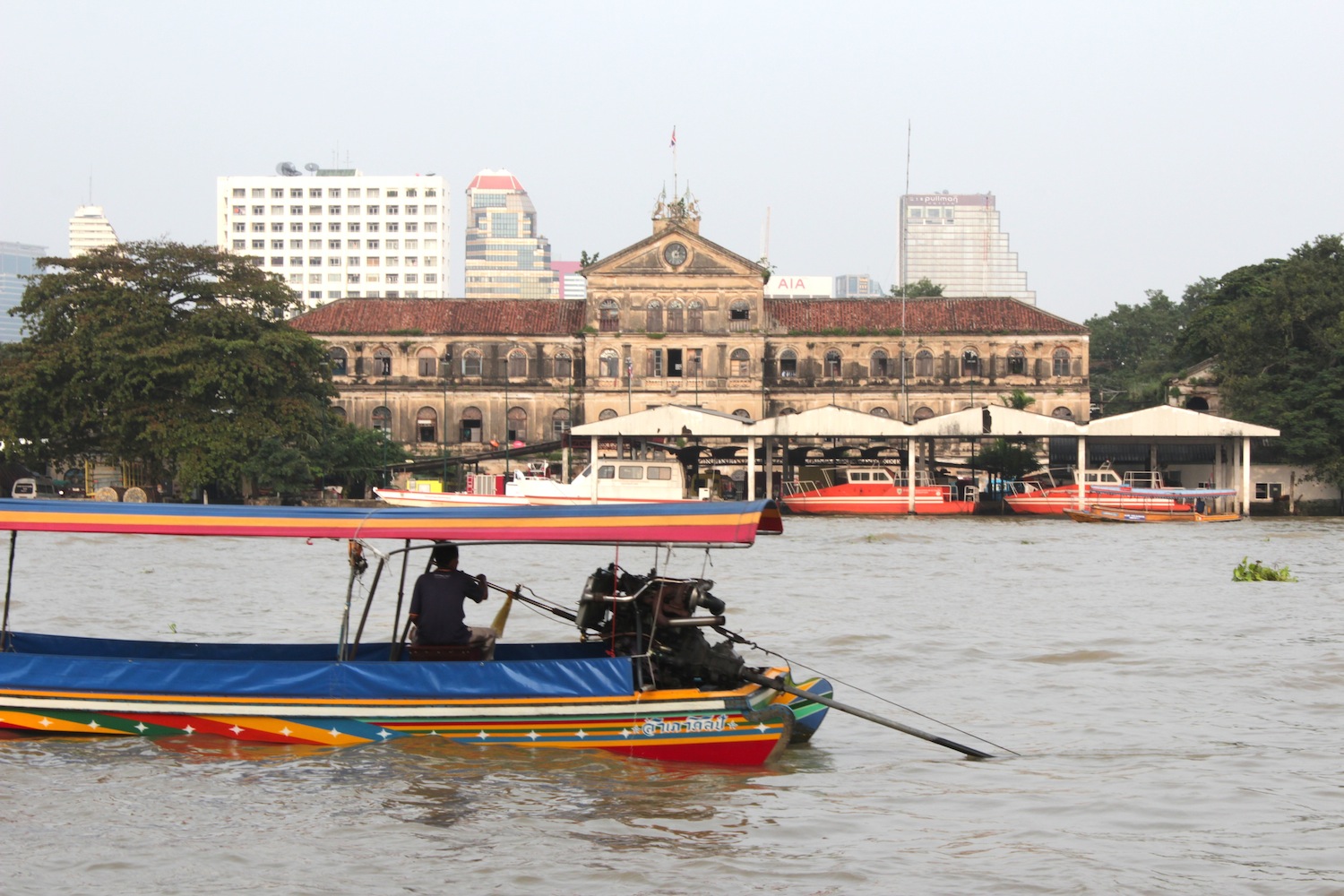
The Chao Phraya River today with the former Customs House in the background.

The Chao Phraya River today with the former Customs House in the background.

The former headquarters of the Danish East Asiatic Company.

The former headquarters of the Danish East Asiatic Company.